
Thermal & fluid dynamics
Large-scale CFD and transient thermal modeling to examine heat transport and changing operating conditions.
Our in-house simulation tools and dedicated computing infrastructure help engineers compare thermal designs, investigate anomalies and reduce unnecessary prototype iterations.
Discuss a simulation projectDedicated high-performance computing supports intensive thermal and fluid-dynamics studies alongside our in-house system models.
Large-scale CFD and transient thermal modeling to examine heat transport and changing operating conditions.
Coupled models for phase-change cooling technologies and their thermal-fluid interactions.
Compare geometry, working fluids and operating conditions before selecting a design for prototyping.
Our tools cover passive cooling loops, heat exchangers and the components that control system flow.
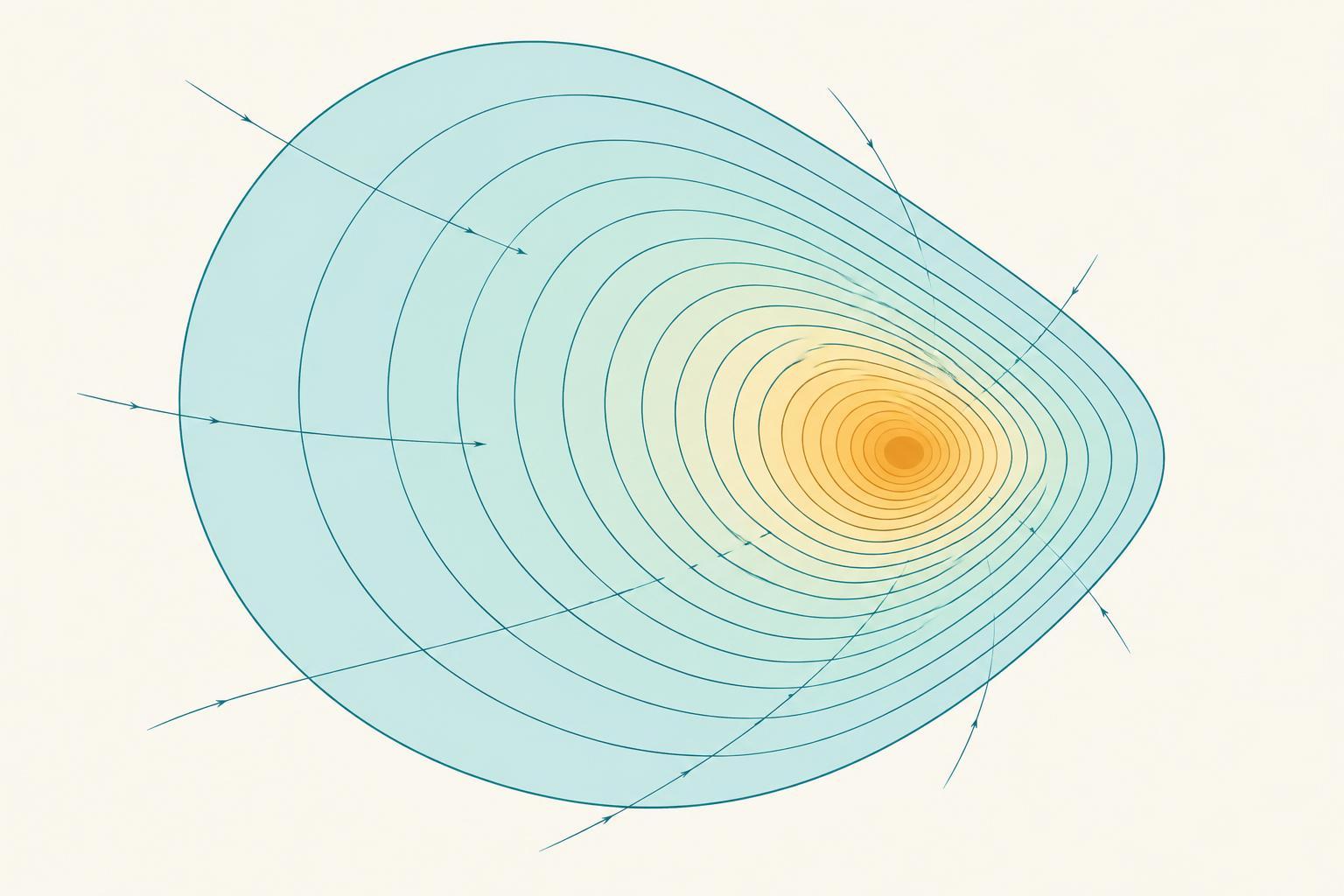
Resolve heat transport and system behavior across passive and active architectures.
Compare exchanger layouts, thermal duty and fluid-side constraints.
Account for the components that shape flow, pressure losses and system operation.
Geometry, heat loads, materials, working fluids and boundary conditions establish the model.
Examine design sensitivities, transient behavior and component interactions to identify promising architectures.
Compare predictions with controlled measurements and establish the application-specific operating envelope.
Our published thermosyphon work compares simulation with independent Nokia Bell Labs measurements and prototype experiments. Validation applies to the systems and conditions studied.
ASME InterPACK · Independent datasetOur engineers use in-house simulation codes in development work. Licensing options are available for selected tools; scope, support and suitability are defined through a technical discussion.
Discuss modeling or licensingTell us what you are building and where you need help.