
Identify the problem
Review heat loads, temperature limits and packaging. Build a model of the system.

We help engineering teams solve problems in heat transfer, fluid flow and energy use—with our own models, cooling designs and laboratory tests.
Compute. Electrification. Energy systems.
We start with your system: its heat load, available space and operating conditions. Then we model the options, develop a cooling design and test a prototype with your team.
Review heat loads, temperature limits and packaging. Build a model of the system.
Compare cooling options using our thermal models. Design around your operating requirements.
Measure temperatures, heat transfer and pressure losses. Compare the results with the model.
We design the cooling hardware, build prototypes and test them in the lab against our predictions.
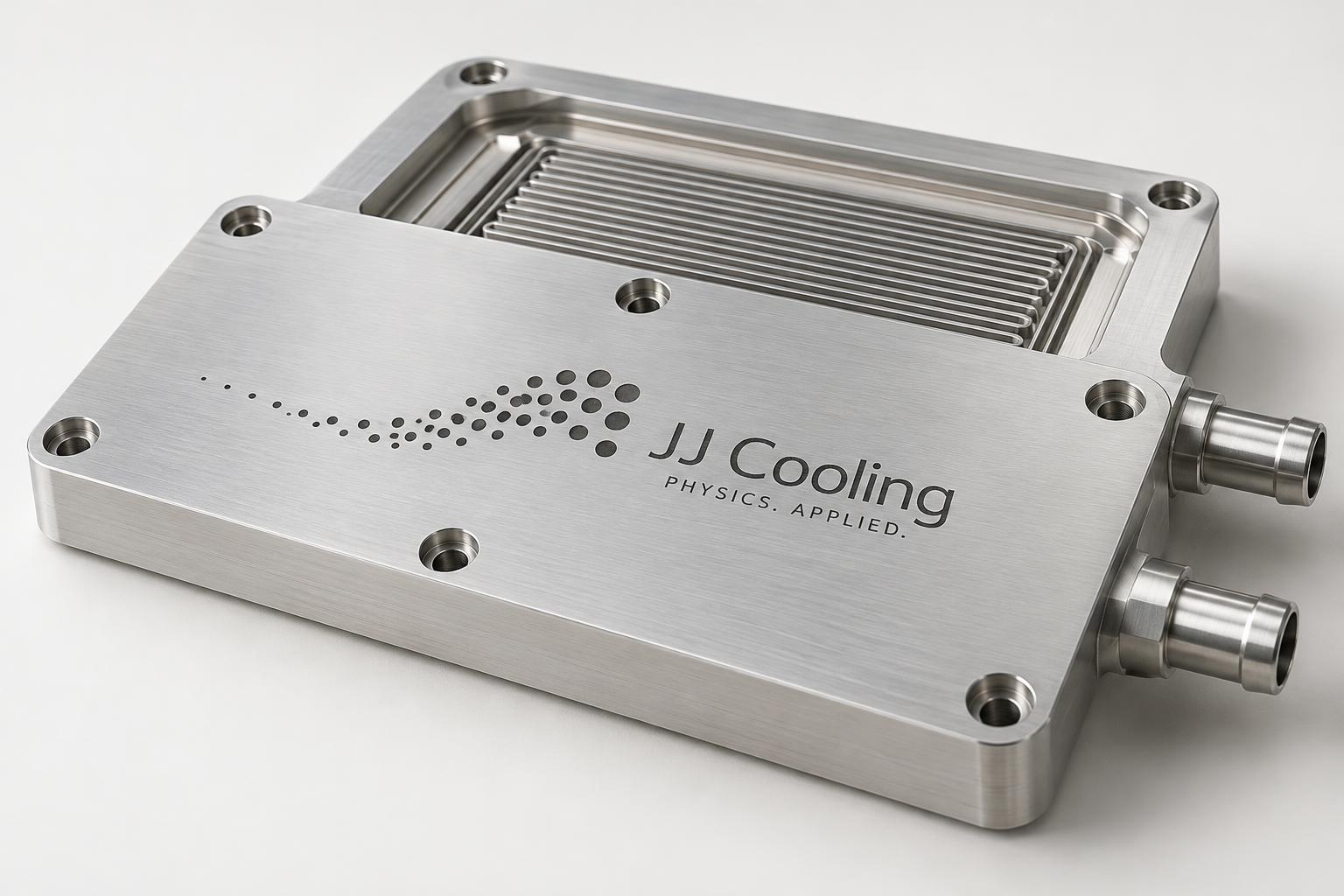
Machined channel geometry for high local heat flux.
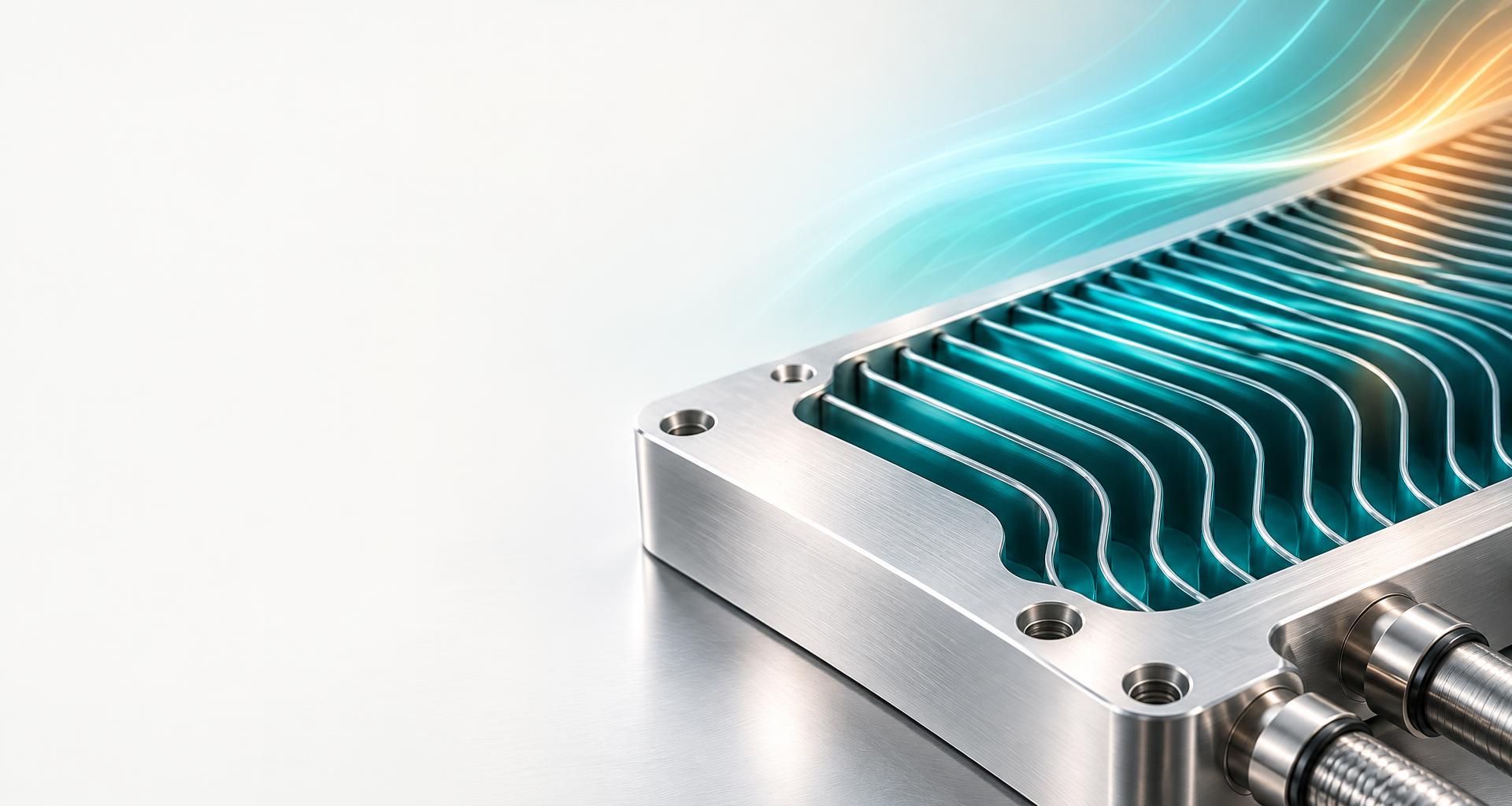
Thermosyphon and heat-exchanger layouts sized for the system.
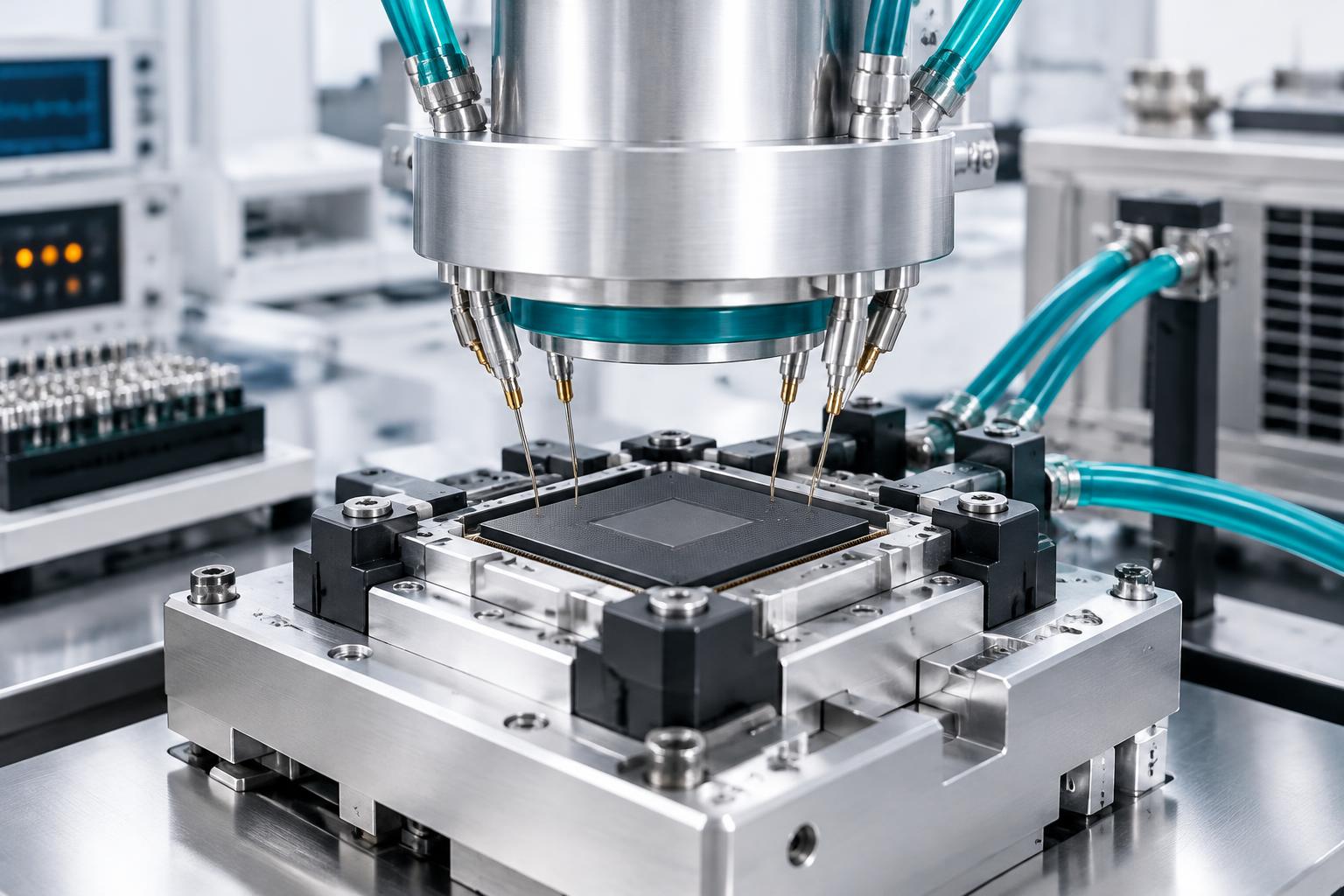
Instrumented prototypes measured for temperature and pressure drop.
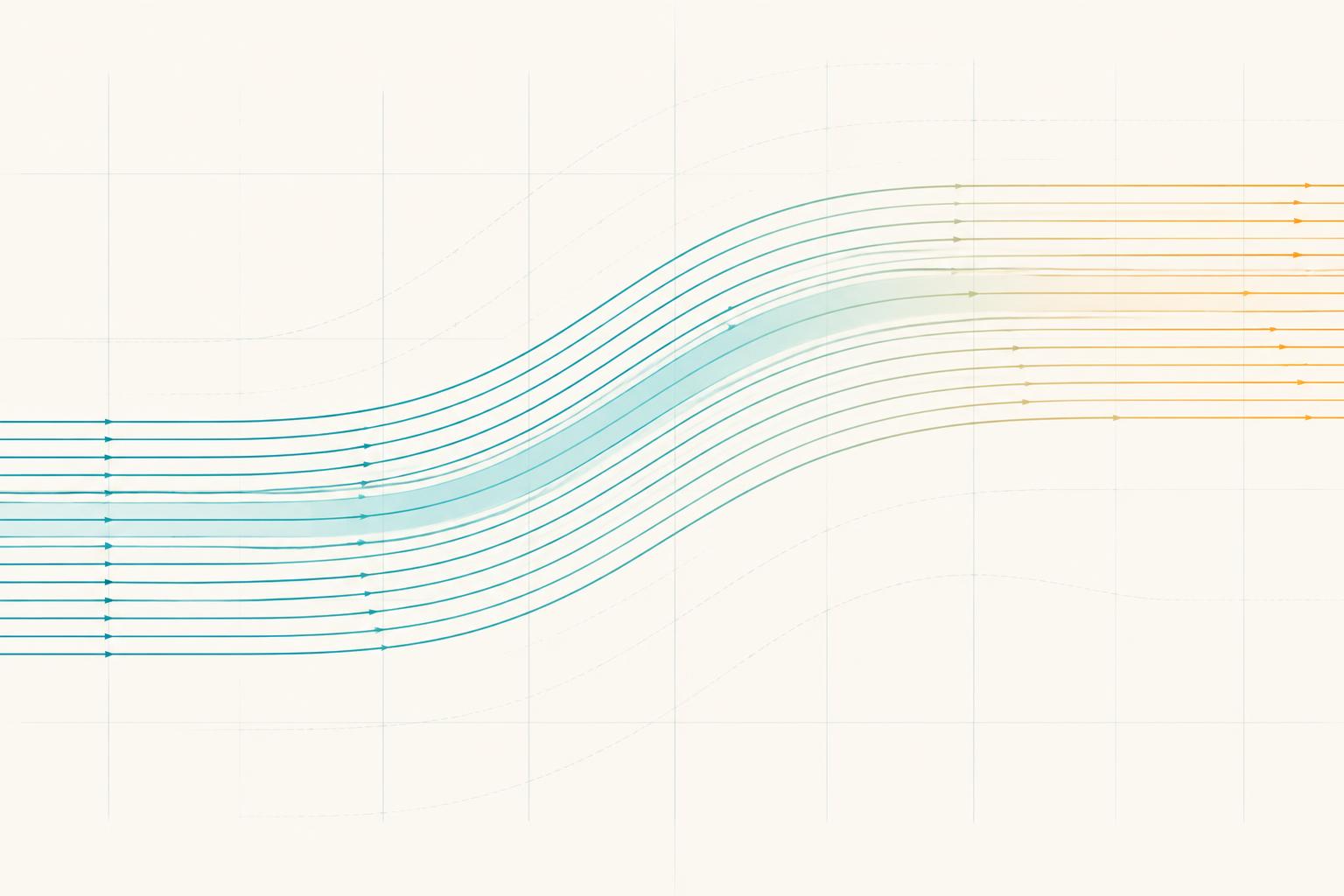
A gravity-driven loop thermosyphon connects a compact node-cooling monoblock to an air-cooled condenser.
The BRAINE project’s edge-computing cooling architecture is documented in ASME InterPACK research. A companion IEEE paper reports thermal performance tests at TU/e. The fluid loop is passive; condenser fans can consume power. These are testbed studies, not a general datacenter efficiency guarantee.
Read the public source
Thermal engineering for Hitachi Energy across repeat programmes.
The available record confirms repeat programs, not a quantified efficiency gain or a specific customer test result.

Bosch licenses our specialist simulation software.
The available record does not establish licensed scope, customer performance or audited revenue.
Rooted in EPFL’s Heat and Mass Transfer Laboratory. Built on two-phase heat-transfer research by co-founders Jackson B. Marcinichen and John R. Thome.
Meet the companyOur thermosyphon simulator was compared with an independent Nokia Bell Labs server-cooling dataset. The publication reports good agreement for component heat transfer and pressure drops.
Validation applies to the studied dataset—not a universal cooling-system rating.
Read the published studyTell us what you are building and where you need help.